TikTok has become one of the most influential platforms in the world, with over a billion active users spending hours each week scrolling through short videos. For many people, it’s a source of entertainment, education, and community. For others, it raises questions about attention spans, self-esteem, and mental well-being. The relationship between TikTok and mental health isn’t simple. Like any digital platform, it offers both benefits and potential downsides. Used mindfully, TikTok can support creativity, learning, and social connection. Used excessively or without awareness, it can contribute to anxiety, comparison, and distraction. In this article, we’ll explore the good, the bad, and how to find a healthy balance between enjoying TikTok and protecting mental health.
The Positive Side: How TikTok Supports Mental Health
While social media often gets blamed for harming mental health, TikTok also has features and communities that provide genuine psychological benefits.
1. A Source of Entertainment and Joy
At its core, TikTok is fun. Short videos filled with humor, creativity, and music offer quick moments of happiness during a stressful day. Research shows that laughter and entertainment reduce stress hormones, improving mood and relaxation.
A 15-second dance, a clever joke, or a cute animal video may seem small, but these brief doses of positivity can lift spirits and break up long work or school days.
2. Building Communities and Belonging
TikTok’s algorithm connects users with content tailored to their interests, whether that’s cooking, fitness, art, or mental health awareness.
These niche communities often called “TikTok subcultures” like BookTok or TherapyTok give people spaces to share experiences, advice, and support.
For individuals feeling isolated in real life, finding others with similar struggles or hobbies can reduce feelings of loneliness and improve emotional well-being.
3. Mental Health Awareness and Education
One of TikTok’s most significant contributions has been spreading mental health education. Therapists, psychologists, and advocates use the platform to:
- Explain mental health concepts in simple language.
- Share coping strategies for anxiety, depression, or stress.
- Break stigma around seeking therapy or support.
For young people who may not have access to professional help, these videos provide basic tools and encourage them to ask for help when needed.
4. Creative Self-Expression
Creativity has long been linked to positive mental health outcomes. TikTok’s simple editing tools, music integration, and trend formats make it easy for users to express themselves through video.
Posting funny skits, dance routines, or personal stories can give people a sense of accomplishment and identity. For some, it becomes a hobby that offers purpose and enjoyment beyond passive scrolling.
5. Inspiration and Motivation
TikTok is full of creators sharing fitness tips, study routines, career advice, and personal growth journeys. Seeing others work toward goals can inspire viewers to try new things or develop healthier habits.
When used intentionally, TikTok can act as a source of positive peer influence rather than just mindless entertainment.
The Negative Side: How TikTok Can Harm Mental Health
While TikTok offers benefits, its design and culture also create risks. These issues don’t affect everyone equally, but they are important to understand.
1. The Endless Scroll and Addiction Risk
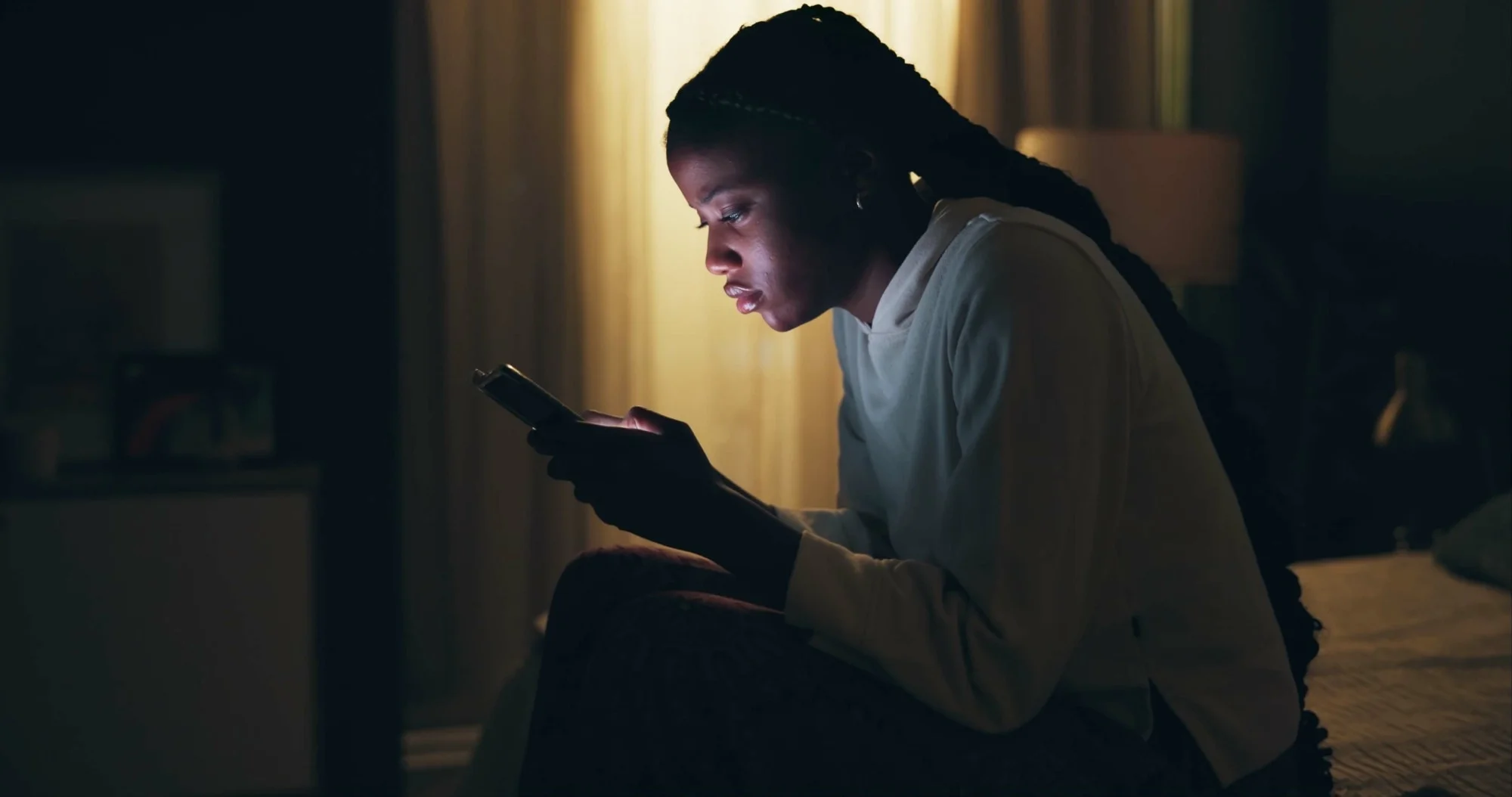
TikTok’s infinite scroll design keeps users watching video after video without clear stopping points. Combined with its powerful algorithm, this creates a “just one more” mentality that can lead to hours of screen time.
Excessive use is linked to:
- Sleep disruption
- Difficulty focusing on tasks
- Reduced real-life social interaction
The dopamine reward cycle the small bursts of pleasure when seeing something enjoyable reinforces the habit, making it hard to put the phone down.
2. Comparison and Self-Esteem Issues
Like many social media platforms, TikTok highlights curated moments of people’s lives: perfect vacations, ideal relationships, or flawless appearances.
Constant exposure to these unrealistic standards can trigger:
- Body image concerns
- Feelings of inadequacy
- Anxiety about not “measuring up”
For teens especially, comparing themselves to influencers or peers can negatively affect self-worth.
3. Misinformation and Unqualified Advice
While many mental health professionals share valuable content, TikTok also has creators giving unverified or misleading advice.
This can lead to:
- Self-diagnosis without professional assessment
- Oversimplification of complex conditions
- Confusion about treatment options
It’s important for users to critically evaluate information and seek professional help when needed.
4. Shortened Attention Spans
TikTok’s rapid-fire format trains the brain to expect constant stimulation. Over time, this may reduce patience for slower activities like reading, studying, or watching long-form content.
Some educators worry this constant novelty-seeking could make it harder for young people to concentrate in classrooms or workplaces.
5. Exposure to Harmful Content
Despite moderation efforts, TikTok occasionally spreads content related to eating disorders, self-harm, or other harmful behaviors.
Vulnerable individuals may encounter triggering material, which can worsen mental health challenges if not addressed promptly.
Finding the Balance: Healthy TikTok Habits
Given the mix of positives and negatives, the key is balance using TikTok in ways that add value without letting it take over mental or emotional well-being.
Here are practical strategies for healthier TikTok use:
1. Set Time Limits
Most phones and TikTok itself offer screen time controls. Setting daily limits helps prevent hours of mindless scrolling.
Even small breaks, like avoiding TikTok before bed, can improve sleep quality and reduce overuse.
2. Curate Your Feed
The algorithm responds to what you watch, like, and skip. Engaging with positive, educational, or inspiring content gradually teaches TikTok to show more of it.
Actively avoiding harmful or toxic material helps create a healthier digital environment.
3. Follow Verified Experts
For mental health advice, prioritize content from licensed therapists, psychologists, or reputable organizations rather than random influencers.
This reduces the risk of misinformation and ensures guidance comes from professionals.
4. Practice Digital Detox Periods
Taking occasional breaks from TikTok whether for a day, a weekend, or longer helps reset attention spans and reduce dependency.
Replacing screen time with offline hobbies, exercise, or in-person socializing supports overall well-being.
5. Use TikTok for Creation, Not Just Consumption
Actively creating content rather than passively consuming it can make TikTok use more intentional and fulfilling.
Sharing ideas, talents, or stories turns the platform into a tool for self-expression rather than just entertainment.
TikTok’s Responsibility: Platform Changes and Mental Health
While individual habits matter, TikTok as a company also plays a role in supporting user well-being.
Possible improvements include:
- Stronger content moderation to prevent harmful material from spreading.
- Break reminders encouraging users to log off after extended use.
- Algorithm transparency so users understand how their feeds are shaped.
- Partnerships with mental health organizations for crisis resources and education.
Some steps, like screen time reminders for teens, have already been introduced. Future changes could make TikTok safer and more supportive for vulnerable users.
The Role of Parents and Educators
For younger users, parents and teachers can help by:
- Talking openly about mental health and social media pressures.
- Teaching critical thinking skills to evaluate online information.
- Encouraging offline activities and real-world friendships.
- Modeling balanced digital habits themselves.
Guidance rather than strict control often leads to healthier relationships with technology.
When to Seek Professional Help
While TikTok use alone doesn’t cause mental illness, excessive use or harmful content can contribute to anxiety, depression, or stress.
Signs someone might need professional help include:
- Persistent feelings of sadness or hopelessness
- Severe sleep problems due to screen time
- Social withdrawal or academic decline
- Thoughts of self-harm or harm to others
In such cases, reaching out to a therapist, counselor, or mental health hotline is essential.
The Future of TikTok and Mental Health
Over the next few years, TikTok will likely face increasing pressure to prioritize user well-being. We may see:
- AI tools to detect and limit exposure to harmful content.
- Wellness modes with optional screen time caps or calming content suggestions.
- Collaboration with mental health organizations to offer real-time resources within the app.
As public awareness grows, platforms that balance engagement with responsibility will earn greater trust.
Conclusion
TikTok is neither entirely good nor entirely bad for mental health. It offers entertainment, community, education, and creative expression, but it also poses risks like overuse, comparison, and exposure to harmful content. The key lies in mindful, balanced use setting limits, curating content, seeking accurate information, and taking breaks when needed. With individual responsibility, parental guidance, and platform-level improvements, TikTok can become a space that supports rather than harms mental well-being. In the end, like any tool, TikTok’s impact depends on how we use it. With awareness and balance, it can be part of a healthy digital life rather than a source of stress or harm.